Buyer's guide
How much does a reverse recruiter cost?
Reverse recruiting is a professional service, and its pricing behaves like one: fees vary with seniority, scope, and the depth of the engagement. This guide explains the models you'll encounter and how to judge whether a fee is fair — from the standards body for the profession.
The fee models you'll see
- Flat-fee engagement — one price for a defined scope and period. This is the model the NRRA treats as the transparent default, because both sides know exactly what is bought.
- Monthly retainer — a recurring fee with defined weekly deliverables, common for open-ended senior searches.
- Hybrid success bonus — a base fee plus a contingent element on landing. Permitted under the Code of Ethics only when the base fairly covers the work, so the bonus never distorts the advice you receive.
What ranges to expect
Across the market, professionally delivered engagements commonly run from the low thousands of dollars for early-career, defined-scope campaigns to five figures for executive engagements with full representation, negotiation support, and months of managed outreach. Seniority is the biggest driver: an executive search usually runs for several months, involves confidentiality constraints, and works almost entirely through the hidden market — all of which is skilled labor over a long distance.
What providers publish, 2026
The association’s handbook read the public pricing pages of 18 candidate-side recruiting services in September 2026. Only values a provider publishes are counted; nothing is estimated.
| Measure | Published record |
|---|---|
| Providers that publish a monthly price | 6 of 18 |
| Lowest published monthly fee | $999 |
| Median entry price | $1,500 a month |
| Highest published monthly fee | $4,500 |
| Charge a percentage of salary on top of a fee | 4 of 18 |
| Advertise some form of guarantee | 12 of 18 |
Source: State of Reverse Recruiting 2026, The Reverse Recruiter’s Handbook (published by the NRRA; read date September 28, 2026). The full provider-by-provider table and data set are there, along with the handbook’s own answer to how much reverse recruiting costs.
What drives price up (legitimately)
- Seniority and confidentiality — executive campaigns demand research depth, recruiter-channel work, and discretion.
- Full representation — outreach conducted for you, a managed pipeline, and weekly reporting is materially more labor than advice alone.
- Repositioning — career changers need narrative and evidence work before the campaign even starts.
Red flags at any price
- A guarantee of a job or interviews — prohibited for NRRA members, because no honest practitioner controls outcomes.
- Large up-front fees with vague scope, or pressure to pay before a written agreement exists.
- No written refund and termination terms — required under Canon V of the Code.
- Willingness to "improve" your resume with facts that aren't true — walk away.
The questions that protect you
Before paying anyone: What exactly will you do, and what is excluded? How do you charge, and what are the refund terms? Are you certified, and can I verify it? Our full guide to choosing a reverse recruiter covers the complete checklist.
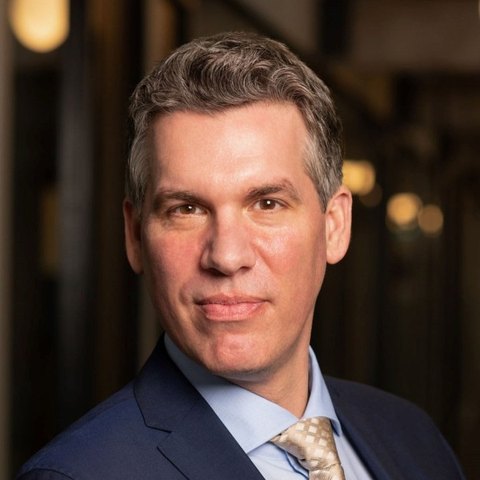
Arno Markus
Founding President, National Reverse Recruiter Association
Arno Markus is the Founding President of the National Reverse Recruiter Association and a former executive recruiter. He runs reverse recruiting campaigns for Director-to-C-suite leaders in the United States and Canada, and edits The Reverse Recruiter’s Handbook. arnomarkus.com
Put someone on your side of the table.
Learn how reverse recruiting works — or explore the certified path.
Free Field Guide
Stop applying into the pile.
Six pages on going straight to the people who can hire you: where to look, what to write, how to work recruiters and your network. The method every NRRA-certified practitioner is trained on.
The link works for 30 days. Want it run for you? Book a free consult.
No spam, unsubscribe any time. Your details are shared with iCareerSolutions, the NRRA member firm that handles consult requests; it is led by the association’s founding President.